

Understanding Nano Coating Technology: Applications, Benefits, and Innovations!
In the modern world, nano coating has become a transformative solution across various industries. From automotive surfaces to consumer electronics and even textile manufacturing, nano coatings are making materials more durable, water-resistant, and environmentally friendly. This article delves into the science, applications, and benefits of nano coating technology and why it’s considered a revolutionary step in surface protection.

What is Nano Coating?
Nano coating refers to the application of a thin film or layer that is measured in nanometers (one nanometer = one billionth of a meter). These coatings form an invisible layer on surfaces, altering their properties without affecting appearance or texture. Nano coatings are typically engineered to enhance characteristics such as hydrophobicity (water repellency), oleophobicity (oil repellency), UV resistance, scratch resistance, and anti-corrosion.
How Nano Coatings Work
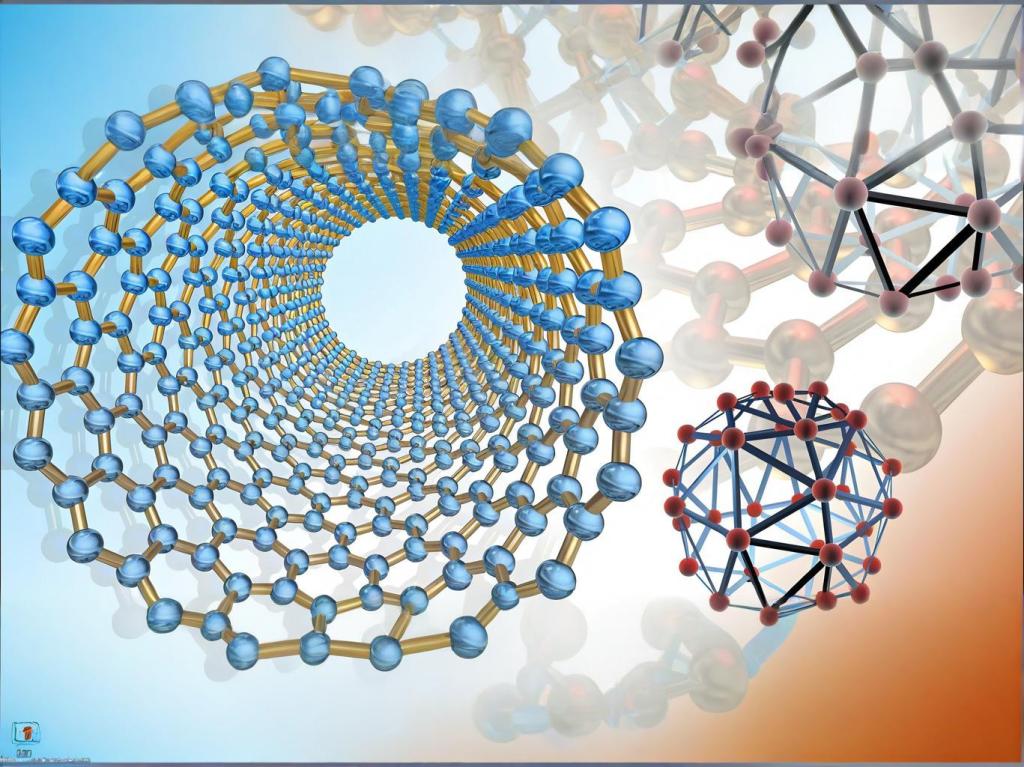
The fundamental principle of nano coating lies in nanotechnology. By manipulating particles at the atomic or molecular scale, scientists create coatings that bond on a microscopic level with surfaces. These nano-level interactions create a protective barrier that is more effective than conventional coatings. Some common materials used in nano coatings include silicon dioxide (SiO₂), titanium dioxide (TiO₂), and graphene.
Key Benefits of Nano Coating
1. Water and Oil Repellency
One of the most well-known features of nano coating is its superhydrophobic and oleophobic behavior. These coatings cause water and oil to bead and roll off surfaces, reducing stains, corrosion, and mold growth.
2. Scratch Resistance
Nano coatings provide enhanced hardness and scratch resistance. They are especially useful for automotive paint, eyeglasses, mobile phones, and electronic displays.
3. UV Protection
Nano coatings help block harmful ultraviolet rays that can cause fading, aging, or cracking of materials, particularly in automotive and outdoor applications.
4. Anti-Corrosion
Metal surfaces treated with nano coatings gain a strong resistance to oxidation and corrosion, making them ideal for marine, industrial, and construction settings.
5. Self-Cleaning Ability
Due to their non-stick surface characteristics, many nano coatings enable surfaces to clean themselves with minimal water—reducing maintenance and water consumption.
Common Applications of Nano Coatings
- Automotive: Paint protection, windshield water repellency, headlight UV protection.
- Electronics: Mobile phone screens, tablets, and camera lenses to resist fingerprints and scratches.
- Textiles: Clothing and footwear that resist water and dirt without compromising breathability.
- Glass & Ceramics: Shower doors, windows, and tiles that stay cleaner longer.
- Industrial Equipment: Machinery components that resist corrosion and extend lifespan.
- Solar Panels: Nano coatings improve light absorption and keep surfaces cleaner for better efficiency.
Nano Coating vs Traditional Coatings
Compared to traditional coatings like waxes, varnishes, and sealants, nano coatings are significantly thinner, yet more durable. Traditional coatings wear off more quickly and require frequent reapplication, whereas nano coatings can last months or even years depending on the surface and usage conditions.
| Feature | Traditional Coating | Nano Coating |
|---|---|---|
| Thickness | Microns | Nanometers |
| Durability | Low to Medium | High |
| Water Repellency | Moderate | Excellent |
| UV Resistance | Moderate | High |
| Reapplication Needed | Frequent | Rare |
Environmental Impact
Nano coatings are often environmentally friendly alternatives to chemical-heavy coatings. Many water-based nano coatings contain no VOCs (volatile organic compounds), reducing air pollution and health risks. Their long-lasting performance also reduces waste over time.
Choosing the Right Nano Coating
When selecting a nano coating, consider:
- The surface material (glass, plastic, metal, textile, etc.)
- Desired properties (water resistance, hardness, anti-fog, etc.)
- Indoor or outdoor use
- Environmental factors (humidity, sunlight, abrasion, etc.)
Consulting with a coating specialist or manufacturer can ensure the right formulation is chosen for optimal results.
Conclusion
Nano coating technology represents a major leap in material science. Its unique ability to protect and enhance surfaces on a molecular level is making it the go-to solution in both consumer and industrial markets. Whether you’re protecting your car’s finish, keeping your electronics smudge-free, or increasing the lifespan of industrial machinery, nano coatings offer an efficient, eco-friendly, and cutting-edge option for modern protection needs.


You must be logged in to post a comment.